

Moisture is a normal part of every home, but excess moisture can contribute to indoor air quality issues, mold growth, structural damage, and household maintenance problems.
This guide explores common moisture sources, mold prevention strategies, humidity control, and practical steps homeowners can take to create a healthier indoor environment.
Part of the Healthy Home Foundations Series
This guide is one component of the Healthy Home Foundations framework. Explore the complete Healthy Home Guide to learn how air quality, water quality, lighting, mold prevention, and low-toxin living work together to create a healthier home environment.
Key Takeaways
✓ Moisture is the primary factor that contributes to mold growth inside the home.
✓ Most moisture problems begin with hidden leaks, poor ventilation, or elevated indoor humidity.
✓ Keeping indoor humidity generally around 30%–50% can help limit excess moisture and reduce conditions that support mold growth.
✓ Early identification of moisture issues is often easier and less costly than remediation.
✓ Controlling moisture helps support indoor air quality, home maintenance, and overall wellness.
What Are Mold and Moisture Problems?
Moisture problems occur when water accumulates in areas where it should not be present or when indoor humidity levels remain consistently elevated.
Common sources include:
- Plumbing leaks
- Roof leaks
- Window condensation
- Poor ventilation
- High indoor humidity
- Water intrusion
When moisture remains unchecked, mold growth may occur and indoor environmental quality can be affected.
Why Mold & Moisture Matter
Excess moisture can influence:
- Indoor air quality
- Home comfort
- Mold growth
- Building materials
- Household odors
- Long-term home maintenance
Many moisture issues begin as small problems that become larger if not identified early.
The GroLifeHealth Mold & Moisture Prevention Framework
Preventing mold begins with controlling the conditions that allow it to grow. The GroLifeHealth Mold & Moisture Prevention Framework focuses on five practical actions homeowners can use to identify moisture early, reduce ongoing exposure, and protect the home over time.
1. Identify Moisture Sources
Find leaks, condensation, water intrusion, and persistently damp areas.
2. Control Indoor Humidity
Monitor humidity and reduce excess moisture when needed.
3. Improve Ventilation
Move moisture out of bathrooms, kitchens, laundry areas, and other high-humidity spaces.
4. Monitor High-Risk Areas
Check areas where moisture can remain hidden or return.
5. Respond Quickly to Water Problems
Repair leaks and dry wet materials before larger moisture or mold problems develop.
These five steps create the foundation for a healthier indoor environment.
Identify Hidden Moisture Sources
Many moisture problems begin in areas homeowners rarely inspect.
Common locations include:
- Under sinks
- Behind appliances
- Around windows
- Attics
- Crawl spaces
- Basements
- Around HVAC systems
Routine inspections can help identify issues early.
Control Indoor Humidity
Humidity plays a major role in moisture management.
Generally, indoor humidity between: 30%–50% is considered a healthy range for most homes.
For a deeper look at how humidity affects indoor air quality, see our Air Quality Guide.
Strategies include:
- Using dehumidifiers
- Running HVAC systems properly
- Monitoring humidity levels
- Improving airflow
Improve Ventilation
Ventilation helps remove moisture generated by daily activities.
Important areas include:
Bathrooms
Use exhaust fans during and after showers.
Kitchens
Use range hoods while cooking.
Laundry Areas
Ensure dryers are properly vented.
Good ventilation helps reduce condensation and moisture accumulation.
Monitor High-Risk Areas
Certain rooms are more susceptible to moisture problems.
Focus on:
- Bathrooms
- Kitchens
- Laundry rooms
- Basements
- Crawl spaces
- Attics
Regular monitoring can help identify concerns before significant damage occurs.
Address Water Problems Quickly
Water intrusion should be addressed promptly.
Common examples include:
- Plumbing leaks
- Roof leaks
- Appliance leaks
- Flooding events
Quick action helps minimize potential mold growth and structural damage.
Common Signs of Moisture Problems
Watch for:
Persistent Musty Odors
Often one of the earliest warning signs.
Visible Water Stains
May indicate hidden leaks.
Condensation
Frequently seen on windows and cold surfaces.
Peeling Paint or Wallpaper
Can signal excess moisture behind surfaces.
Visible Mold Growth
May appear in bathrooms, basements, kitchens, and other damp areas.
If you’re unsure whether a subtle change in your home is significant, our upcoming Common Signs You Have a Moisture Problem guide will walk through early warning signs in greater detail.
Understanding Mold Growth
Mold requires three things:
Moisture
Organic Material
Time
Because moisture is the factor homeowners can control most effectively, prevention efforts typically focus on moisture management rather than mold remediation alone.
DNP Insight: Focus on the Moisture, Not Just the Mold
From a health perspective, homeowners often become focused on identifying exactly what type of mold may be present. However, the more actionable question is usually why moisture is present in the first place.
Mold growth is a signal that the environment is supporting it. Correcting leaks, reducing excess humidity, improving ventilation, and drying wet materials promptly are often the most important steps for preventing recurrence.
When mold growth is extensive, keeps returning, follows significant water damage, or is associated with health concerns, professional evaluation may be appropriate.
Helpful Tools for Monitoring Mold & Moisture
You do not need every moisture-control product at once. Start with tools that help you understand your home’s conditions, then add equipment only when it addresses a specific problem.
Moisture Control Essentials
- Hygrometers
- Dehumidifiers
- Moisture Meters
- Leak Detectors
- Bathroom Exhaust Fans
- Mold Test Kits
As this Mold & Moisture series expands, GroLifeHealth will add evidence-based buyer’s guides for products such as dehumidifiers, moisture meters, and mold testing tools.
Mold & Moisture Prevention Checklist
Start Here
☐ Check indoor humidity levels
☐ Inspect bathrooms for moisture buildup
☐ Inspect under sinks and around appliances
☐ Use bathroom exhaust fans regularly
☐ Run kitchen ventilation during cooking
☐ Address plumbing leaks promptly
☐ Monitor basements and crawl spaces
☐ Inspect windows for condensation
Where to Focus First
If you’re not sure where to start:
☐ Measure indoor humidity with a hygrometer
☐ Inspect bathrooms, sinks, windows, and appliances for moisture
☐ Use bathroom and kitchen ventilation consistently
Continue Exploring Mold & Moisture
Guides in this series:
- Warning Signs of a Moisture Problem in Your Home
- Ideal Indoor Humidity: What’s the Right Level for a Healthy Home?
- How to Prevent Mold in the Bathroom: 12 Practical Tips
- Wet Basement? 7 Common Causes and How to Fix Them
- How to Prevent Mold in Your Home: 15 Practical Steps
- How Mold Affects Indoor Air Quality: What Homeowners Should Know
- Water Damage vs. Mold: How to Tell the Difference
- Condensation on Windows: Causes and How to Stop It
- When to Call a Mold Remediation Professional: 7 Warning Signs
- Dehumidifier vs. Air Conditioner for Humidity Control: Which Is Better?
- How to Clean Mold Safely: A Practical Guide for Homeowners
- 7 Best Dehumidifiers for Home: Your Ultimate Buying Guide
- 7 Best Moisture Meters for Homeowners: Your Ultimate Buying Guide
- 7 Best Water Leak Detectors: Your Complete Buying Guide
Continue Building a Healthier Home
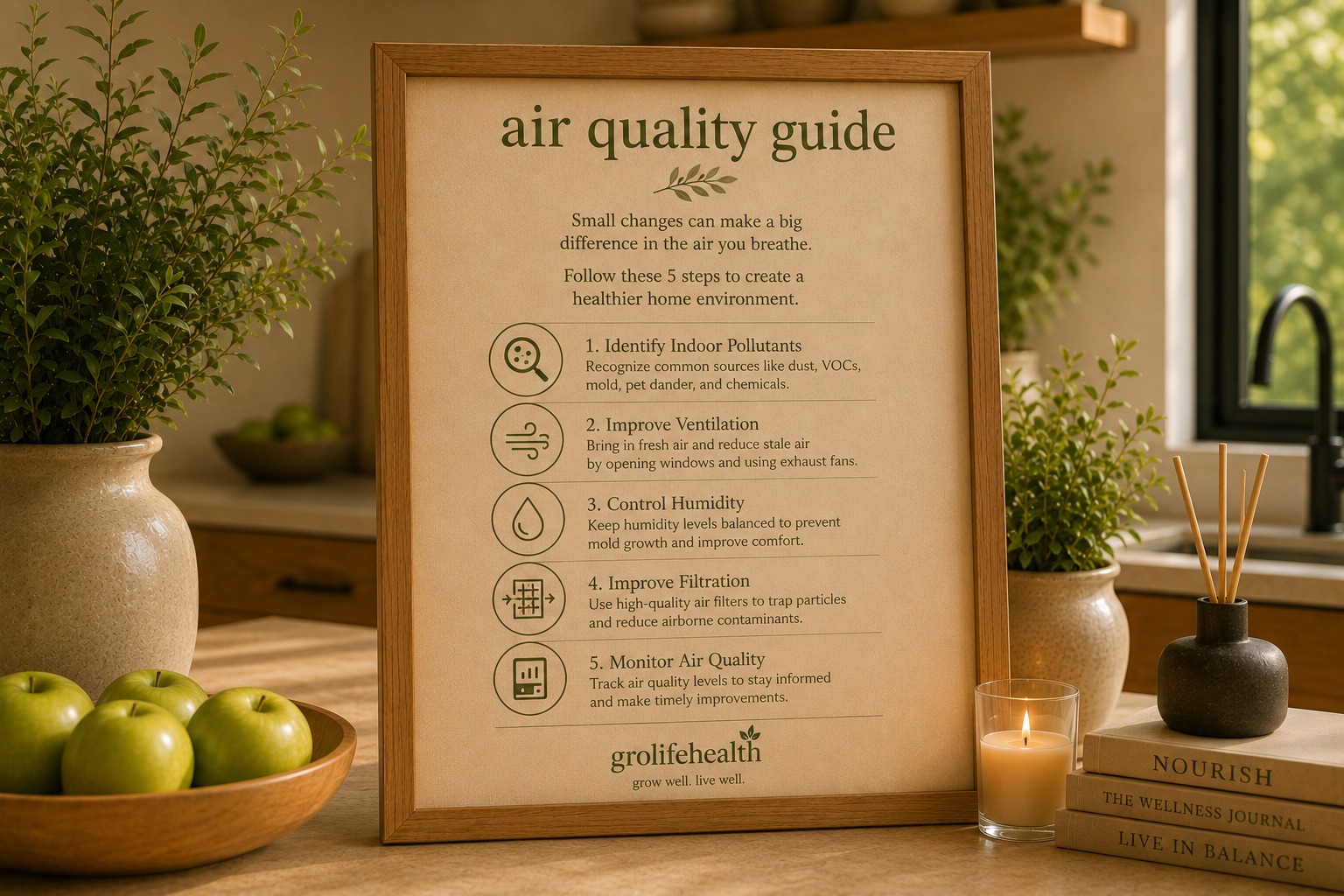
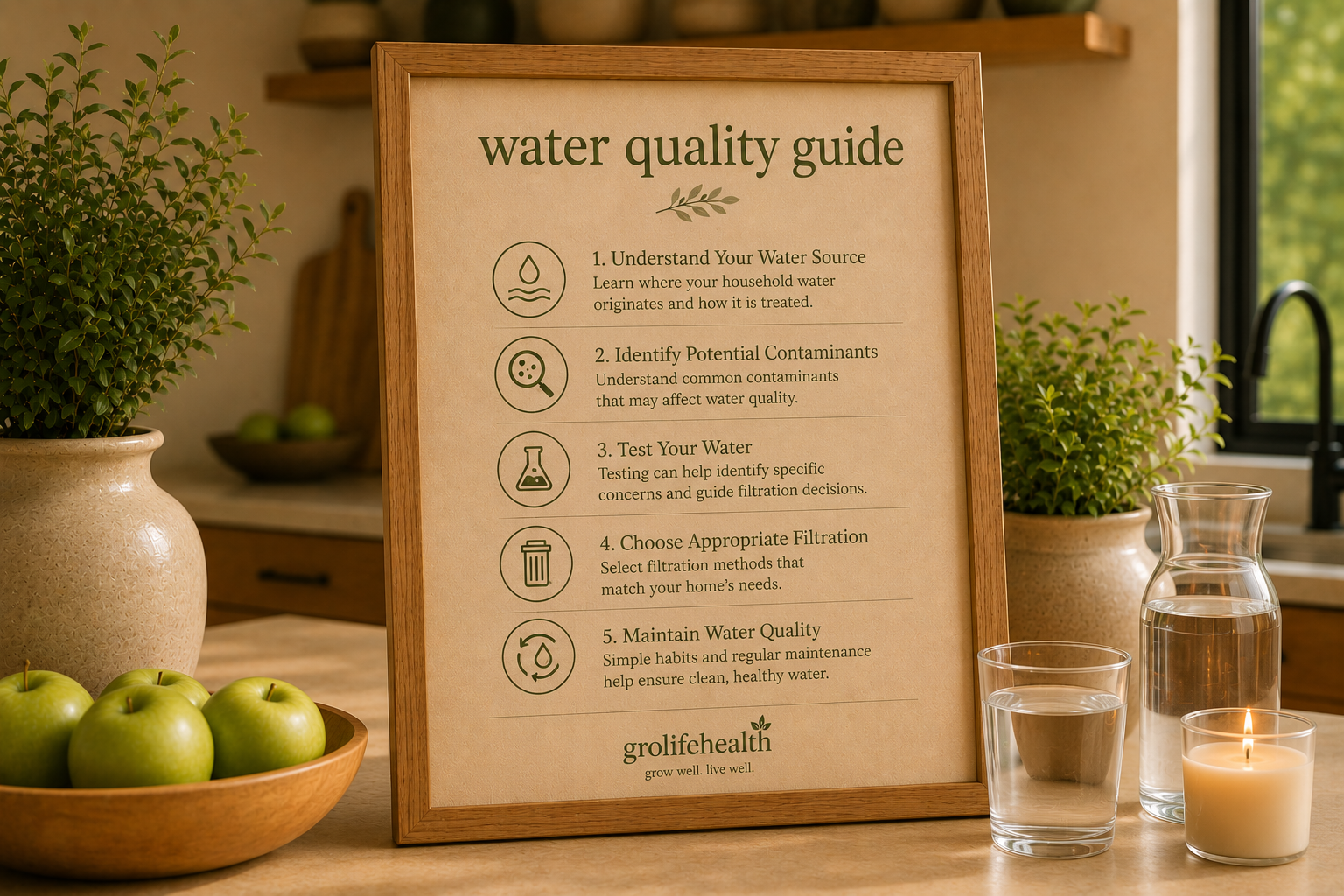
Explore other Healthy Home Foundations:
Building Better Moisture Control One Step at a Time
Preventing mold and moisture problems is less about reacting to visible mold and more about controlling moisture consistently. Monitoring humidity, improving ventilation, repairing leaks promptly, and checking high-risk areas can help prevent small problems from becoming larger ones.
Start with the conditions you can measure and control. As you make improvements, continue monitoring your home and adjust your approach as seasons, weather, and household needs change.
A healthier home is built through practical, sustainable improvements—one foundation at a time.